
Abstract
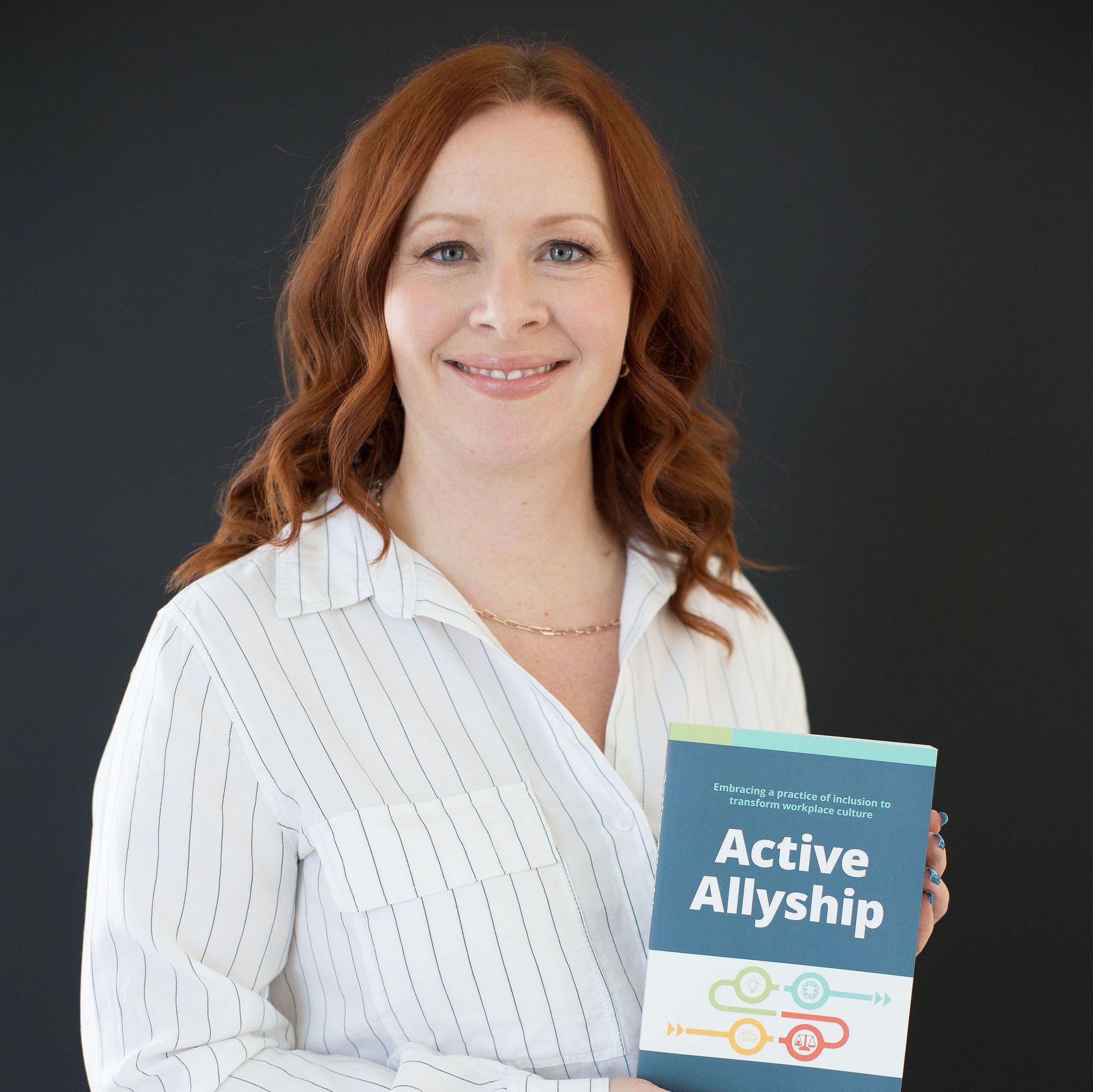
Like many organizations, the traditionally male-dominated workplace cultures of the mining industry and engineering profession are seeking to be inclusive and welcoming of all existing and potential future employees. To create inclusive workplaces those in positions of power (leaders) and those in majority groups can be engaged, trained, and supported to act as “active allies”. In this study, researchers designed an allyship training program to support potential allies to adopt a practice of inclusion. The learning outcomes were designed to motivate and develop competencies which support participants to become active allies and normalize advancing equity, diversity, and inclusion (EDI) in their organizations. We piloted the Active Allies course in the College of Engineering at the University of Saskatchewan in the fall of 2022. Our findings demonstrate that learners were motivated to develop an allyship practice for a variety of reasons. As a result of the pilot course, participants progressed through the stages of allyship activation and practiced key competencies required of workplace allies. Furthermore, we found conducting EDI training in the absence of an organizational strategy introduces a risk which reduces the likelihood that participants will formally report inequities they may witness or experience. Of significance to other organizations, is evidence to support allyship training interventions which can aid in activating allies to develop a continued practice of proactive and reactive inclusive behaviours that can contribute to equitable, diverse, and inclusive workplaces.