
Abstract
Women and Indigenous peoples continue to be under-represented in many professions and industries in Canada, including the mining industry. Currently, women make up 16% of roles in the mining industry and 14% of the engineering profession despite comprising 50% of the population (Engineers Canada, 2020; Mining Industry Human Resources, 2018a). Furthermore, Indigenous people comprise 16% of the Saskatchewan population, yet only comprise 10% of the Saskatchewan mining industry, and less than 1% of the engineering profession (Mining Industry Human Resources, 2014; Saskatchewan Bureau of Statistics & Statistics Canada, 2016; Engineers Canada, 2019). Under-represented groups, such as women and Indigenous peoples, can help to fill projected labour gaps and participate in other meaningful economic opportunities while solving challenges faced by industry. Such shifts are necessary, because inclusive and diverse workplaces have been found to be more profitable, more innovative, and better places to work (BCG, 2018; Catalyst, 2016; Noland, Moran, & Kotschwar, 2016). Despite many studies which document recommendations to improve workplace inclusion and diversity, few show examples of successful implementation and case studies (Mining Industry Human Resources, 2018b; Wells, Williams, Corrigan, & Davidson, 2018). This multi-phase study focuses on how to transform and implement experiences and best practices into solutions to advance equity in the Saskatchewan mining industry.
Using a participatory research approach between industry and academic researchers, this International Mineral Innovation Institute (IMII) and Mitacs-funded study will put recommendations into action to shift Saskatchewan mining workplace culture to be inclusive and welcoming of all actual and potential employees. In this presentation, researchers will share findings from the second phase of the multi-phase study. In the second study phase, researchers interviewed equity champions to capture examples and best practices of equity, diversity, and inclusion (EDI) implementations in workplaces and institutions. Participants were often working on implementing broad equity changes, including a focus on gender and Indigenous engagement and reconciliation.
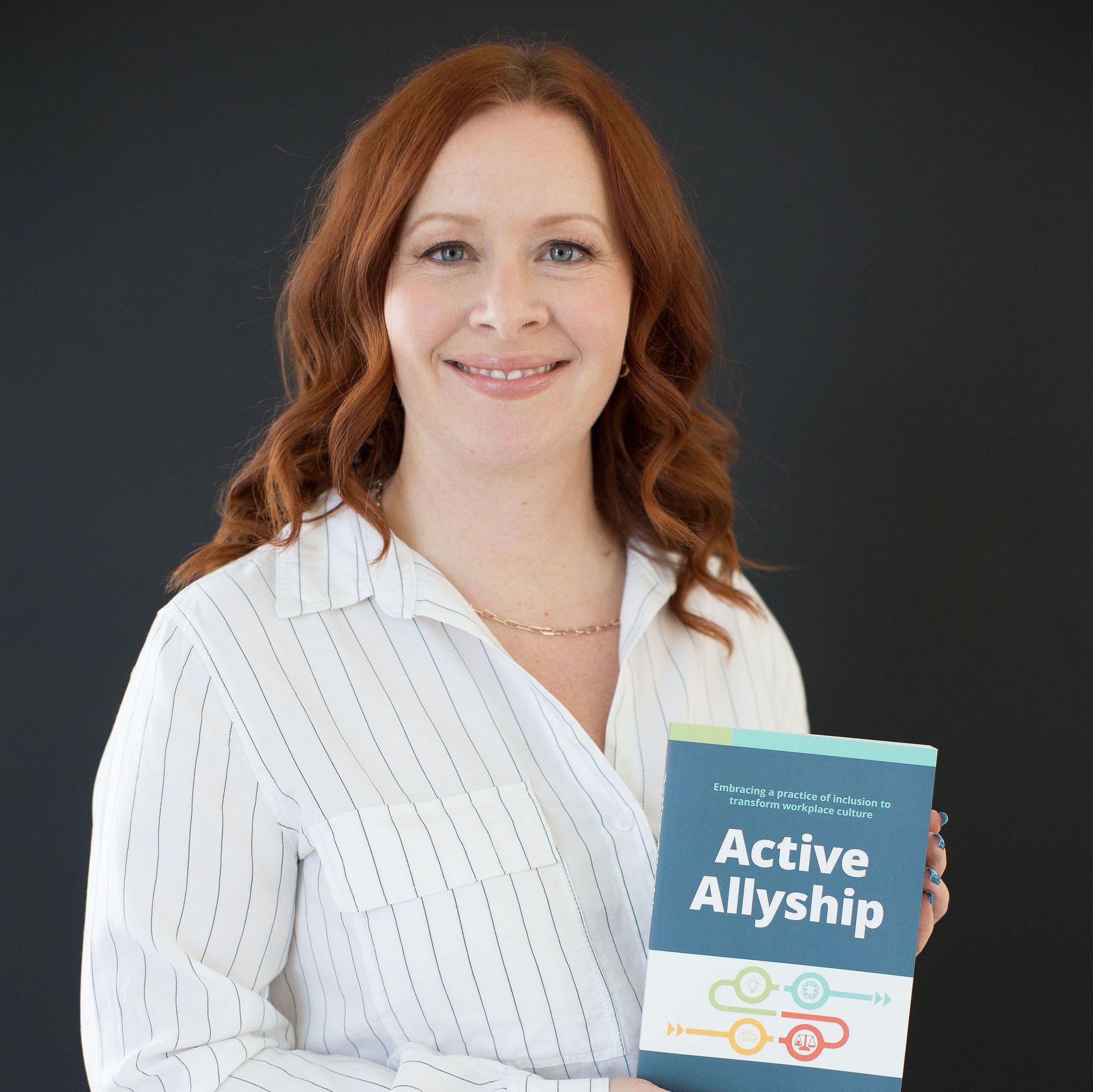
In this presentation, researchers will share actions and learnings from participants. Furthermore, researchers will share recommendations and strategies to activate workplace allies. Workplace allies may or may not be part of under-represented groups and may hold power and privilege within the organizations in which they work. In future phases of the study, researchers will implement and test recommendations to activate allies in a pilot program at the University of Saskatchewan’s College of Engineering and then test implementations on a larger scale at a Saskatchewan mine site. The outcomes of this multi-phase study will put recommendations into action to shift Saskatchewan mining and engineering workplace culture to be inclusive and welcoming of all actual and potential employees.