Abstract
The iron ore mining, coal mining and steel industry remain significant sources of CO2 emissions. Resource scarcity, continuing urbanization and climate change, combined with the increasing need for new infrastructure, create a growing need for more sustainable solutions. We believe that SSAB and steel are part of this solution.
With confidence deriving from our traditions, we have an ambitious plan to eliminate all of our CO2 emissions by 2045. That’s why we’ve joined forces with our iron supplier LKAB and our electricity provider Vattenfall to create the HYBRIT technology.
- Hydrogen turns iron ore into steel
- Powered by fossil-free energy
- No need for coal and coke
- Emitting only water
- Virtually no CO2 emissions
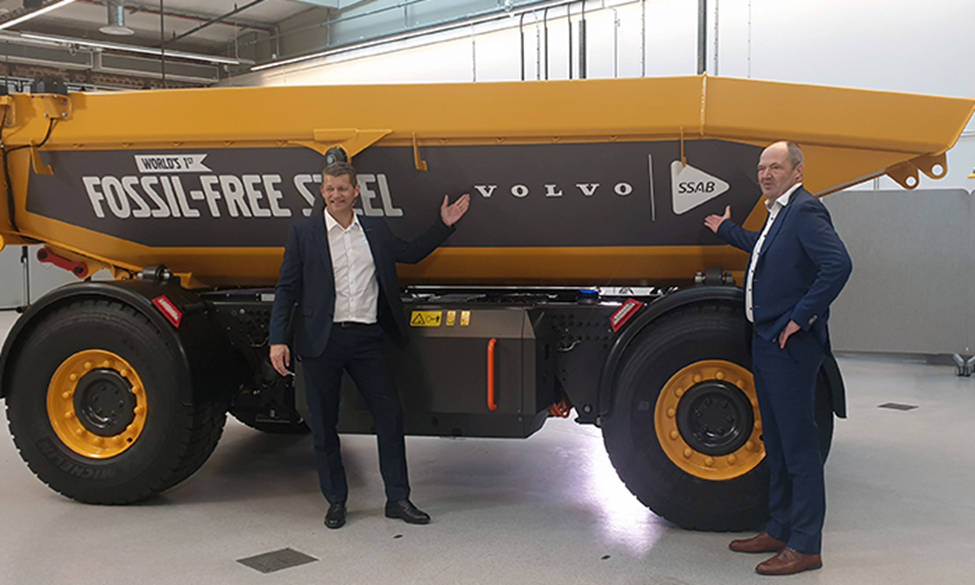
The HYBRIT technology was used to produce the first steel during the summer 2021. In October 2021 in a world-first, Volvo Group revealed the first vehicle made from this first fossil-free steel produced by SSAB. The machine, an autonomous load carrier for use in mining and quarrying is a true milestone for reducing climate impact all the way to the end customer, while ensuring that our mining customers get high-quality steel.
Fossil-free steels from SSAB will available as a commercial product starting 2026, and SSAB aims at being an entirely fossil-free steel company latest 2045. However, already today we can reduce a lot of CO2 emissions:
Together with our customers, SSAB continuously upgrades the material and design of applications. The benefits of upgrading to high-strength steel include reduced weight, improved fuel economy and extended product lifetime – all of which significantly contribute to reducing an end product’s carbon footprint and CO2 emissions.
The SSAB EcoUpgraded concept saves CO2 both in steel production and during the full lifetime of the end product; when upgrading the current steel grades used in mining equipment to SSAB high-strength steel, you can cut the weight of the end product while maintaining the same strength and increasing durability and productivity. From a life cycle perspective, this is highly beneficial as most of the environmental impact comes from the end product’s use phase.