
Abstract
Diverse groups are needed to solve complex global challenges. In particular, the mining sector plays a critical role in leading the energy transition to mitigate climate change. Organizations that fail to foster an inclusive workplace culture to attract and retain a diverse workforce risk missing out on critical talent necessary to address complex problems, like climate change. As a result, many organizations in the traditionally male-dominated mining industry seek to be inclusive and proportionally representative of their local communities. In addition to the urgency caused by climate change, there is a growing awareness of social challenges in Canadian society. The rise in social awareness is coming from a combination of social movements and institutional investigations. As a result, employees, community members, shareholders, and other stakeholders are increasingly demanding that organizations take steps to advance equity, diversity, and inclusion (EDI) alongside Truth and Reconciliation.
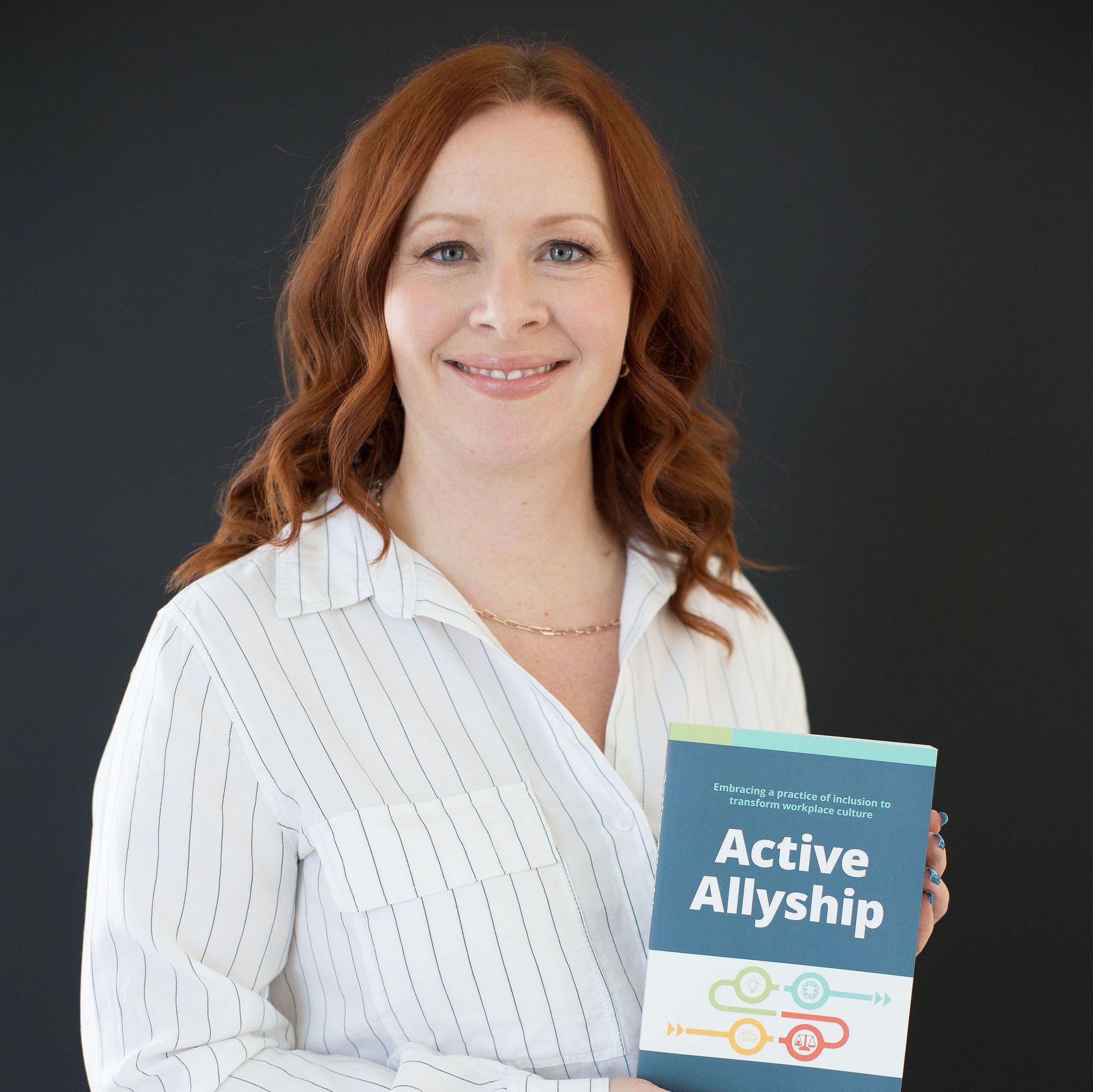
To create inclusive workplaces, everyone including leaders and those in majority groups can be engaged, trained, and supported to act as “active allies”. Using a participatory research approach between industry and academic researchers, this International Mineral Innovation Institute (IMII) and Mitacs-funded study put recommendations into action to shift Saskatchewan mining workplace culture to be inclusive and welcoming of all actual and potential employees. In this study, researchers piloted an allyship training program in the Saskatchewan mining industry to support more than 75 potential allies to adopt a practice of inclusion. The 4-week Active Allies course was designed by researchers to develop allyship competencies in participants and support the advancement of equity, diversity, and inclusion (EDI) in their organizations. In this presentation, we will share our findings, and lessons learned, and discuss implications for future EDI training programs. This presentation will be valuable to individuals and leaders seeking practical and evidence-based solutions to contribute to equitable, diverse, and inclusive workplaces.